Dr. Raheem Friesen Avatar
Verified Author

Dr. Raheem Friesen

Museum curator, heritage conservation specialist, and cultural anthropologist dedicated to museology, exhibition design, and historical preservation.

Museum Lighting Design: Balancing Visual Aesthetics, Lux Limits, and Photochemical Protection

Introduction: The Paradox of Museum Illumination Museum lighting is defined by a fundamental, inescapable physical paradox: the very light required to perceive and celebrate a work of art is simultaneously the primary agent of its physical destruction. Light is electromagnetic radiation carrying photon energy. When photons strike organic pigments, dyed silk textiles, wood fibers, and … Read more
Spatial Flow, Circulation Narratives, and Visitor Choreography in Exhibition Design

Introduction: The Architecture of the Curatorial Journey An exhibition is far more than a static gathering of historical artifacts or artistic masterpieces arranged neatly along gallery walls; it is a three-dimensional spatial narrative, a choreographed physical journey that shapes how visitors perceive, interpret, and emotionally respond to cultural stories. Just as an author crafts a … Read more

Integrated Pest Management (IPM) and Biodeterioration Mitigation in Museum Archives and Collections

Introduction: The Biological Menace in Museum Repositories Among the ten agents of deterioration codified in preventive conservation science, biological pests—wood-boring beetles, clothes moths, silverfish, rodents, and fungal micro-organisms—represent one of the most insidious and rapid destructive forces. A single overlooked infestation of webbing clothes moths (Tineola bisselliella) can devour historic woolen textiles and ceremonial featherwork … Read more

3D Digitization, Photogrammetry, and Digital Twin Curation: Technological Horizons in Museum Collections

Introduction: The Digital Metamorphosis of Material Heritage For over two millennia, the core mission of the museum was inextricably anchored to the physical artifact: a unique, tangible object curated in a specific geographical location. Access was privileged, physical, and constrained by distance. In the 21st century, the convergence of high-resolution digital imaging, close-range photogrammetry, structured-light … Read more

Provenance Research, Restitution, and the Ethics of Cultural Property Acquisition

Introduction: The Moral Imperative of Provenance in 21st-Century Museology For centuries, the preeminent metric of a museum’s greatness was the sheer volume, antiquity, and exotic splendor of its collections. Major imperial institutions acquired masterpieces through colonial punitive expeditions, wartime pillage, unequal treaties, and opaque archaeological black markets with little regard for the moral legitimacy of … Read more

Preventive Conservation and Environmental Control: Scientific Protocols for Museum Storerooms and Galleries

Introduction: The Silent Science of Preventive Conservation In public perception, museum conservation is frequently romanticized as the heroic, surgical restoration of damaged masterpieces: a specialist in a white lab coat using a fine sable brush and micro-scalpel to painstakingly remove yellowed varnish from a Rembrandt portrait, or an archaeologist re-assembling shattered fragments of an Attic … Read more

Maritime, Military, and Industrial Heritage Museums: Conserving Technological Artifacts and Living History

Introduction: The Monumental Challenge of Conserving Industrial Artifacts Unlike fine art museums housing oil paintings and marble sculptures, maritime, military, and industrial heritage museums curate the colossal mechanical monuments of human technological civilization. Their collections encompass decommissioned ironclad warships, nuclear-powered submarines, supersonic aircraft, operational coal-fired steam locomotives, textile power looms, and massive blast furnace complexes. … Read more

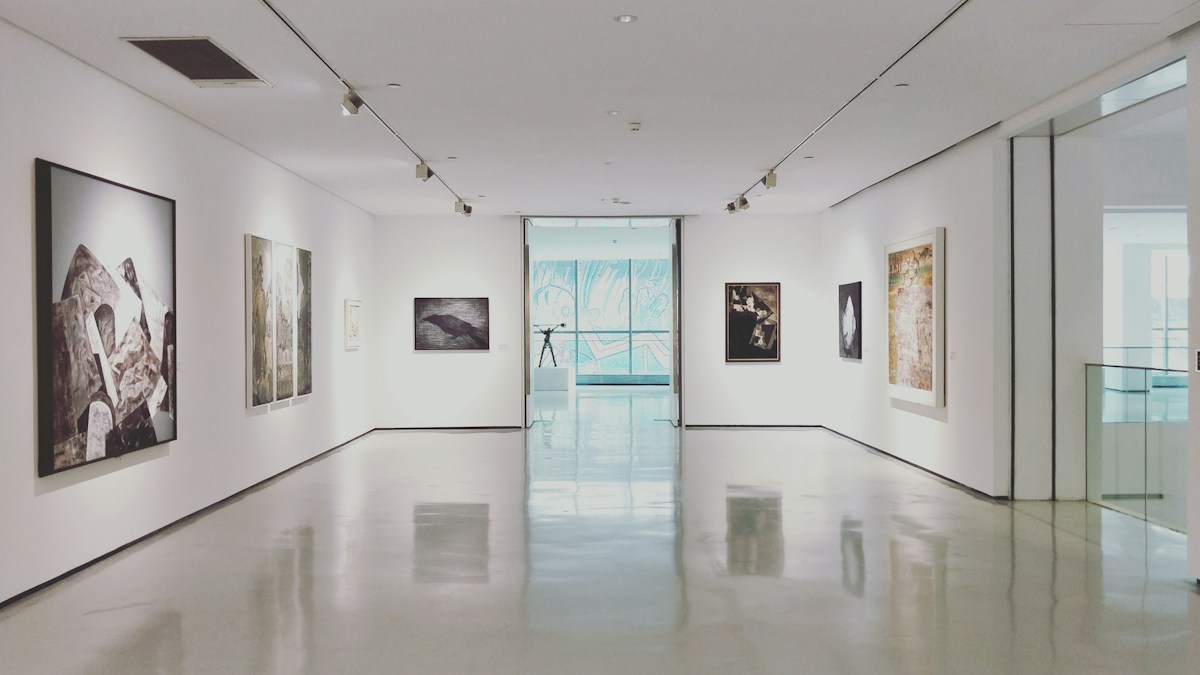
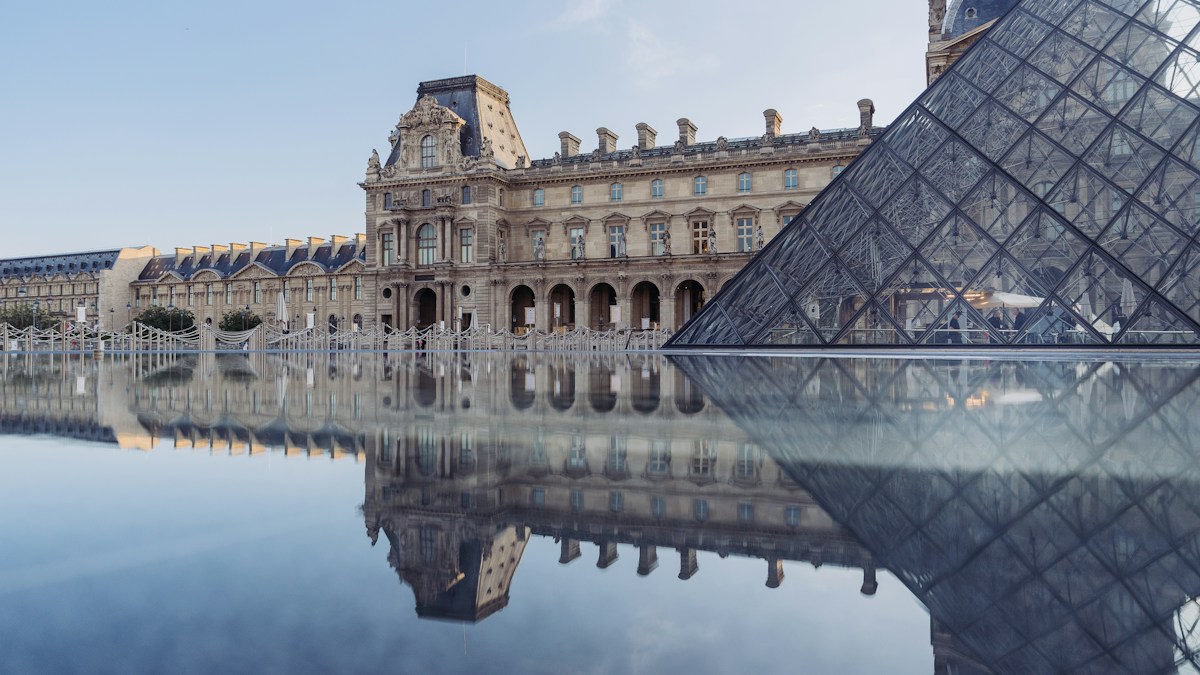
The Architecture and Philosophy of Contemporary Art Museums: White Cubes to Sculptural Monuments

Introduction: The Museum Building as Primary Aesthetic Subject Throughout the 19th and early 20th centuries, museum architecture was expected to function as a deferential, reverent container—a neoclassical temple or renaissance palazzo whose stately colonnades, grand staircases, and quiet axial galleries provided a dignified, neutral backdrop for the cultural treasures curated within. In the contemporary era, … Read more

Open-Air, Living History, and Ecomuseums: Preserving Vernacular Architecture and Intangible Cultural Heritage

Introduction: The Living Landscape as Curatorial Artifact Traditional indoor museums present material heritage through isolation: artifacts are extracted from their geographical origins, decontextualized from their socio-cultural environments, and placed behind hermetically sealed glass vitrines under focused museum spotlights. While this methodology excels at physical preservation, it inevitably sterilizes the living spirit, tactile utility, and spatial … Read more

A Typological Analysis of World Museums: Art, Natural History, Science, and Specialized Institutions

Introduction: Defining the Institutional Landscape of Modern Museology The International Council of Museums (ICOM) officially defines a museum as a non-profit, permanent institution in the service of society that researches, collects, conserves, interprets, and exhibits tangible and intangible heritage. Open to the public, accessible, and inclusive, museums foster diversity and sustainability. However, beneath this overarching … Read more