Dr. Raheem Friesen Avatar
Verified Author

Dr. Raheem Friesen

Museum curator, heritage conservation specialist, and cultural anthropologist dedicated to museology, exhibition design, and historical preservation.

The State Hermitage Museum: Imperial Romanov Grandeur, Palatial Architecture, and Masterpieces
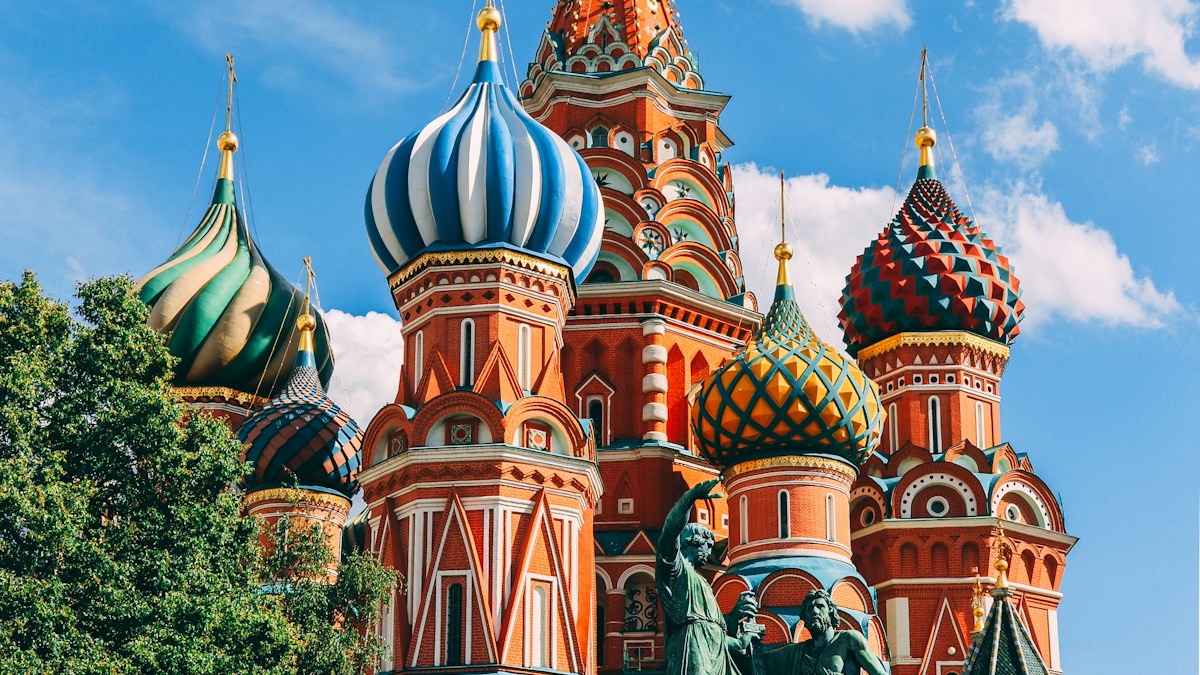
Introduction: The Tsarist Palace of Northern Venice Stretching regally along the granite Palace Embankment of the River Neva in Saint Petersburg, The State Hermitage Museum is the imperial crown jewel of Russian culture and one of the largest, most visually dazzling encyclopedic art museums in the world. Encompassing a monumental interconnected complex of six historic … Read more
Microclimatic Vitrines, Display Cases, and Engineering Secure Enclosures for Vulnerable Relics

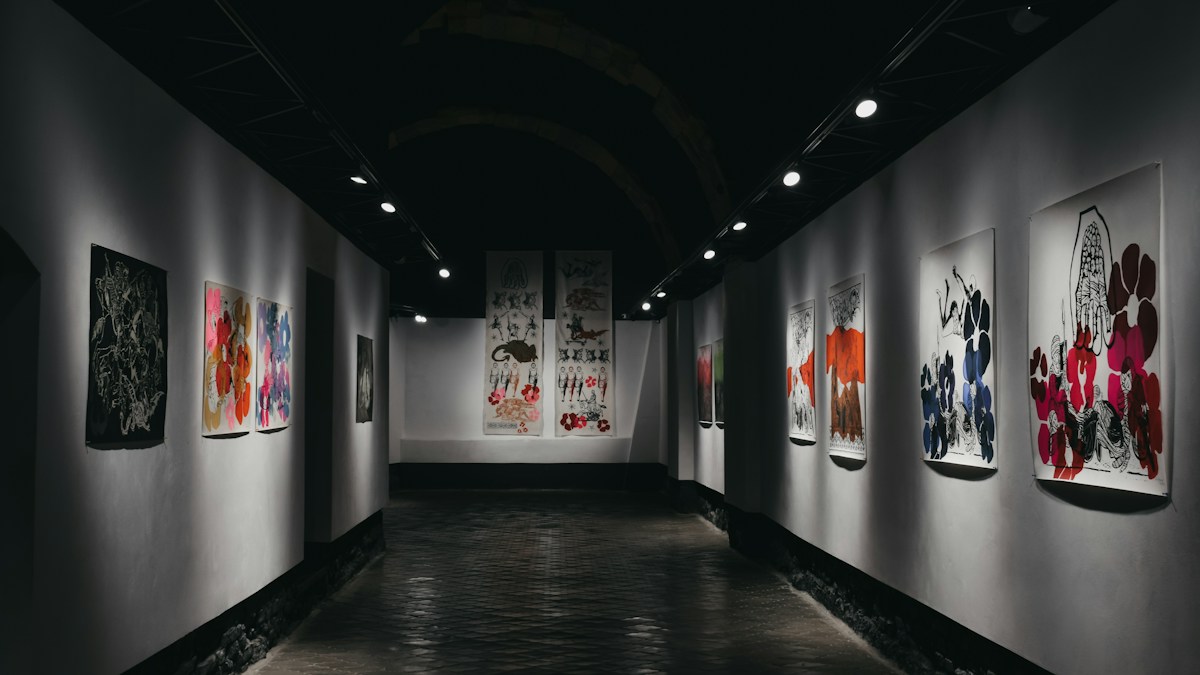
Introduction: The Vitrine as a Precision Life-Support Machine To the casual museum visitor, a display case is an invisible, transparent glass box—a passive physical barrier designed to keep curious fingers from touching an ancient golden relic or to deter a smash-and-grab thief. But to the preventive conservator and heritage engineer, a museum vitrine is nothing … Read more

The Smithsonian Institution: The World’s Largest Museum, Education, and Research Complex

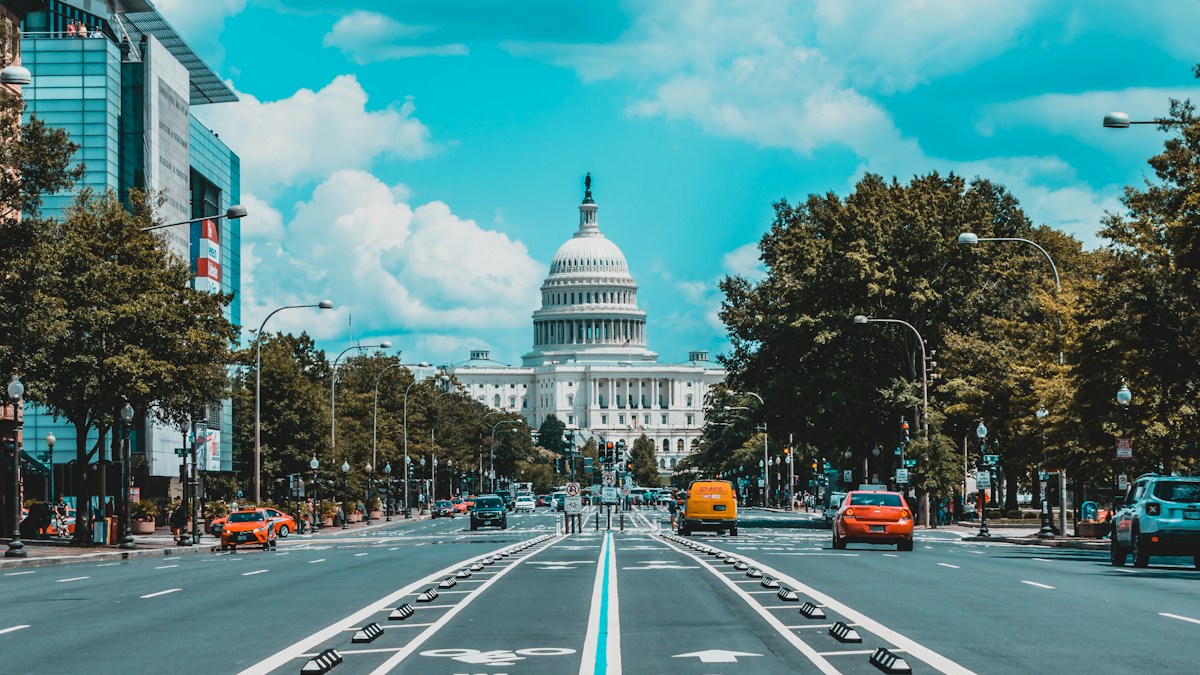
Introduction: The Colossus of the National Mall Spanning the monumental green promenade of the National Mall in Washington, D.C., and extending across research facilities worldwide, the Smithsonian Institution is the undisputed colossus of global cultural and scientific enterprise. Comprising twenty-one world-class museums, nine dedicated research centers, the National Zoological Park, and a staggering collection exceeding … Read more

The Metropolitan Museum of Art: Philanthropy, Encyclopedic Breadth, and American Museology

Introduction: The Monumental Temple on Fifth Avenue Stretching along the eastern perimeter of Central Park on Manhattan’s iconic Museum Mile, The Metropolitan Museum of Art—affectionately known across the globe simply as The Met—stands as the preeminent cultural jewel of the Western Hemisphere. Founded in 1870 by a visionary group of American civic leaders, industrialists, artists, … Read more

Musée du Louvre: Architectural Metamorphosis, Royal Collections, and Global Mastery

Introduction: The Monumental Citadel on the Seine Rising majestically on the right bank of the River Seine in the historical heart of Paris, the Musée du Louvre is the undisputed titan of world museology. With over 73,000 square meters of exhibition space housing approximately 35,000 works on public display from an encyclopedic collection exceeding half … Read more

The Post-Modern Museum: Decentering the Canon, Community Curation, and Digital Frontiers

Introduction: The Deconstruction of the Authoritarian Museum For more than two centuries, the traditional museum was celebrated as an infallible citadel of objective truth: a civic monument where high-status curators decided what constituted ‘fine art’, which historical narratives were worthy of national commemoration, and whose stories were erased into silence. This institutional authority was reinforced … Read more

Colonialism, Imperial Expeditions, and the Evolution of Ethnographic Collections in Western Museology

Introduction: The Contested Shadow of Colonial Collecting Across the capitals of Europe and North America, ethnographic museums house millions of extraordinary cultural artifacts: sacred West African brass sculptures, intricately carved Polynesian ancestral canoes, Indigenous Arctic ivory amulets, and Native American ceremonial headdresses. For generations, these objects were curated behind glass as exotic curiosities or categorized … Read more

The Enlightenment and the Birth of the Universal Encyclopedic Museum: Ideology, Architecture, and Taxonomy

Introduction: The Age of Reason and the Order of Things The 18th-century Enlightenment heralded a radical transformation in European intellectual consciousness. Challenging traditional religious dogma, royal absolutism, and superstitious folklore, Enlightenment philosophers—Denis Diderot, Jean le Rond d’Alembert, Voltaire, and Immanuel Kant—championed empirical observation, scientific taxonomy, secular education, and human progress. The ultimate intellectual manifestation of … Read more

From Cabinets of Curiosities (Wunderkammern) to the Modern Public Museum: The Genesis of Institutional Collecting

Introduction: The Microcosm of Wonder and the Urge to Collect The human impulse to assemble, preserve, and categorize extraordinary objects is ancient, yet the modern public museum as an accessible, civic, educational institution is a relatively recent historical invention. Long before the white cubes of 20th-century Manhattan or the grand neoclassical colonnades of 19th-century Europe, … Read more

Interactive Pedagogy, Constructivist Learning, and Universal Accessibility (ADA) in Exhibits

Introduction: Demolishing the Ivory Tower of Museology Throughout the 19th and early 20th centuries, the museum operated as an authoritarian, didactic temple of high culture. Elite scholars decided what mattered, arranged objects in solemn glass shrines, and inscribed authoritative pronouncements on dense Latinate labels. The public was expected to enter in hushed, reverent silence, passively … Read more